Steel Gate Care in Carlsbad: Keeping It Quiet and Smooth for Years

Find the Noise Before You Treat It

The first rule of a quiet steel gate is figuring out where the sound is coming from. A squeal that appears only when the gate swings open points to a hinge joint running dry. A low grinding or rumbling that follows the gate along a track usually means a roller bearing has lost its smoothness. A sharp clunk at the end of travel, just as the gate settles against its stop, means something is loose, not dry. Oil will not fix a clunk. If the gate is squeaking somewhere it never has before, do not reach for a spray can first. Identify the motion that makes the noise, and fix the cause underneath.
Clean Salt Off Coastal Hardware
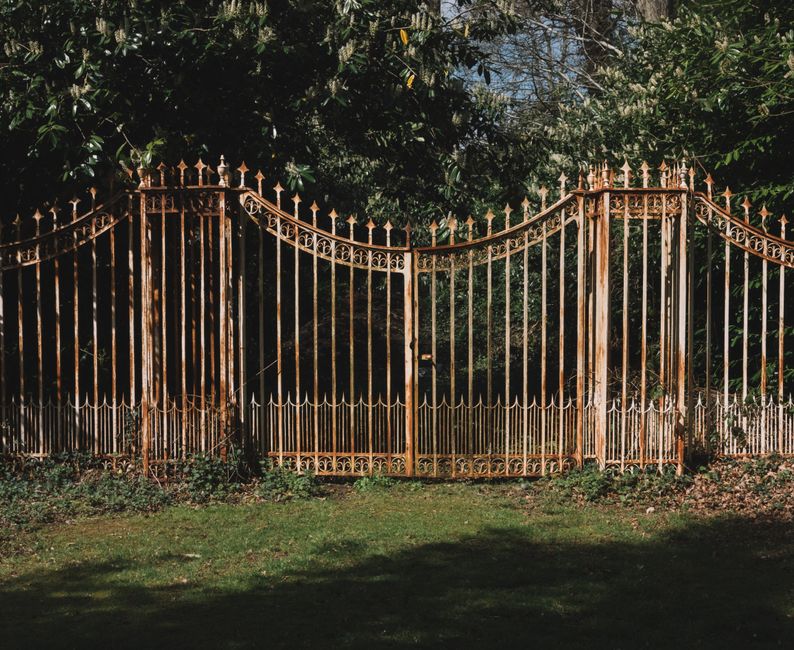
In Carlsbad neighborhoods close to the coast, the marine layer leaves a fine film of salt on everything overnight. The Village, Olde Carlsbad, Terramar and the stretch along Carlsbad Boulevard all feel this effect. Salt does not rust steel right away, but it pulls moisture into joints and speeds up what would otherwise take years. A gentle hose rinse of hinges, latches and rollers after a stretch of foggy, damp weeks will remove that salt before it does damage. Let the hardware dry completely before you lubricate. Farther inland, in places like La Costa and Calavera Hills, salt is less of a problem, but dust and grit are not. There, cleaning is just as important as oiling.
Grease Hinges the Right Way
Many weld-on barrel hinges come with a small grease fitting, usually a zerk fitting pressed into the side of the joint. That fitting exists for a reason. Pump in a waterproof marine-grade grease until clean, fresh grease pushes the old, dirty stuff out of the joint. When the grease coming out matches the color and texture of what you are putting in, the joint is full. Wipe off the excess. Too much grease on a hinge does no harm, but too little leaves the pin rubbing metal on metal, and that is where squeaks begin.
Use the Right Lubricant for Each Job
A water-displacing spray is good at one thing: getting into a seized joint and loosening it up. It is not good at staying there. Those thin sprays evaporate within days, which means the joint goes right back to running dry. Use a spray first if you need to break a hinge free, then follow up with a proper grease. On sliding gate tracks, keep wet grease away entirely. Sand and dirt stick to grease and turn it into a grinding paste that eats away at track and wheel alike. A dry PTFE lube on exposed moving parts works far better, but only if the gate manufacturer allows it. When in doubt, clean and adjust first.
Sweep the Track Regularly
A V-groove sliding gate only works when the track stays clear. A single pebble, a eucalyptus nut or a pocket of packed sand can make a wheel ride up, jump the track or bind hard. This is especially true after windy days and after rain washes soil and debris across the driveway. A quick sweep with a stiff broom should be part of a monthly routine. Check after every Santa Ana wind event as well. Strong gusts push dust into rollers and latches, and they can slam a swing gate hard against its stop. Clean the hardware afterward and make sure every fastener is still tight.
Replace Sealed Rollers, Do Not Spray Them
Cantilever rollers and track rollers often use sealed bearings. The seal keeps dirt out and grease in, which is excellent until the bearing wears out. Once a sealed roller starts to feel rough, wobble, grind or develop flat spots, no amount of spraying lubricant into the seal will bring it back. That seal is not a service port. Replace the roller. Trying to extend the life of a worn sealed roller only wastes time and lets a small problem become a noisy, dragging one.
Adjust Guides Only After Fixing the Real Problem
Top guide rollers and guide posts exist to keep the sliding gate upright and aligned. They should sit so the gate stands plumb without any part rubbing. If the gate scrapes a guide, resist the urge to move the guide to clear the rub. The cause is almost always a worn bottom roller or a bent track. Adjust the guides only after you have found and fixed that issue. Otherwise the gate will sag again and you will be chasing the problem forever.
Check for Sag Before You Blame the Latch
A swing gate that drops at the latch end does not just look bad. It drags on the ground, the latch misses its strike plate, and the hinges take on extra stress every time the gate moves. Worn hinge pins, loose hinge bolts or a post that has settled in its footing are common causes. Some hinge designs let you correct this with adjustable threaded J-bolts or eye bolts. Make small, even adjustments on both sides, then retighten the lock nuts so the setting does not creep back. A sagging gate that you keep slamming against its stop is one fastener away from a cracked weld.
Watch the Ground, Not Just the Gate
Settling pavers, heaving concrete and even a mulch line that has built up over the years can all close up the clearance under a gate. What starts as a small drag can sound exactly like a dry hinge, leading you to oil the wrong part of the problem. Crouch down and look at the gap between the gate and the ground. If something is brushing underneath, move it or trim it back. That is a fix no amount of lubrication will reach.
Keep Latches Moving Freely
A latch that needs a push or a lift to engage is not just annoying. It wears both the latch and the strike plate faster, and it loosens welds over time. If your latch does not drop into place with a gentle close, loosen the strike or keeper, move it to meet the latch where it naturally lands, and tighten it again. Latch mechanisms should move freely, so treat them with a light oil or a dry lube rather than heavy grease, which collects grit and binds up. For keyed locks and cylinders, reach for graphite or a lubricant made specifically for locks. Oil in a lock is only a temporary fix.
Do Not Let an Opener Make Up for a Stiff Gate
Automatic openers are convenient, but they are not magic. Before you blame a noisy opener for a struggling gate, disconnect it using the manual release and move the gate by hand. It should glide freely without binding. An opener pushing against a stiff, sagging or misaligned gate wears out faster than one doing its job, and its safety sensing may not respond as it was designed to. Fix the gate first.
Stick to a Simple Schedule
A quiet steel gate does not demand constant attention. Once a month, take a quick walk around the gate. Open it, close it, listen for anything new. Every season, clean the hardware and apply the right lubricant where it belongs. Near the coast, do this more often. Before the winter rains arrive, do a full check of hinges, rollers, track, latch and fasteners. A steel gate in Carlsbad that gets this kind of attention will stay quiet and smooth for as long as it stands.